

REQUEST DEMO
Robot CATALOG will be sent to your mailbox immediately after submission.
SUBMIT
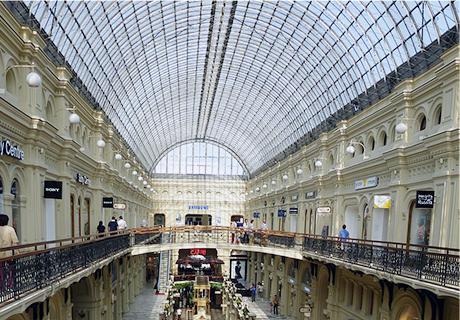
Operating hypermarkets in the retail sector across global markets in Europe, the United States, and Asia requires rigorous facility maintenance to handle continuous foot traffic and logistical movements. Store operations teams face significant challenges in managing diverse environments, which encompass wide main aisles, tight checkout zones, intricate fresh produce areas, temperature-controlled freezer aisles, expansive back-of-store areas, and heavy-duty parking decks. Maintaining clean floors across these varied spaces directly impacts operational efficiency and the overall shopper experience. Deploying automated floor care solutions addresses these challenges by stabilizing labor allocation and ensuring predictable cleaning schedules across highly dynamic retail layouts.
When evaluating automated cleaning solutions, facility managers must first consider spatial passability and maneuverability. Hypermarkets feature a diverse mix of spatial layouts, requiring managers to align the physical footprint of the machine with specific navigational bottlenecks. Ultra-compact chassis platforms prioritize access to highly constrained layouts for detailed cleaning in checkout lanes or narrow perishable zones, while standard commercial platforms navigate typical passing widths to service main grocery aisles and ambient zones. Conversely, large-scale industrial platforms prioritize maximum area output, requiring extensive turn-around clearances to service expansive back-of-store logistics bays and indoor parking decks.
Cleaning modality and debris handling represent another critical evaluation dimension. Retail floors accumulate various types of soil, from wet spills in beverage aisles to dry pallet splinters in receiving areas. Dedicated wet-scrubbing systems focus entirely on liquid dispensing and recovery, requiring facility staff to pre-sweep surfaces. Integrated sweep-and-scrub systems consolidate these steps by utilizing rolling brushes and hoppers to capture moderate dry debris simultaneously with the wet-washing process on hard floors. For mixed-flooring environments, dedicated dry vacuuming systems focus exclusively on targeted dust removal without liquid application, servicing carpeted entrances or specific dry zones.
Fleet autonomy and maintenance workflows dictate the capacity for continuous multi-shift operation. Fully automated docking architectures allow the equipment to autonomously return to a base station to recharge batteries, drain wastewater, and refill clean water tanks, enabling continuous unattended operation. Manual-assist hybrid architectures provide large-capacity tanks and ride-on capabilities, allowing store operations teams to manually drive the unit for immediate heavy spill response while performing manual servicing. Portable manual-service cobot architectures feature compact tanks and batteries that floor staff manually swap or refill at utility sinks during active store hours.
Navigation architecture and environmental adaptability determine how the equipment responds to shifting seasonal displays, restocking carts, and shopper traffic. Dynamic autonomous routing systems continuously map the environment using real-time sensors, recalculating paths on the fly to navigate around temporary promotional displays and moving shopping carts. Teach-and-repeat navigation systems record a human operator's specific driven path, executing predictable cleaning cycles along fixed routes in structured areas with minimal layout changes. Because these navigation systems utilize cameras, environmental mapping, or cloud-based fleet management data processing, operations teams must verify compliance with applicable data protection regulations, such as GDPR, as a deployment-side verification step before go-live.
The OrionStar CleaniBot C5 is positioned for medium-to-large retail environments, making it highly effective for continuous cleaning in main aisles, checkout zones, and indoor parking decks. This industrial-grade autonomous floor-scrubbing robot features a compact yet highly capable design that handles both expansive logistics pathways and tighter commercial corridors. By combining scrubbing, dust-mopping, and water absorption into a single integrated system, the machine sweeps and washes hard floors simultaneously, reducing the need for manual pre-sweeping by retail staff before the wet-cleaning cycle begins.
According to manufacturer data, the unit features a combined 90 L water tank system, utilizing 45 L for clean water and 45 L for wastewater, which reduces frequent manual refills. It achieves a maximum cleaning area capacity of up to 1,980 square meters per hour under laboratory conditions, supported by an automated docking station that autonomously handles clean water refilling, wastewater discharge, and internal tank self-cleaning. It operates with a minimal passing width of approximately 880 mm, ensuring safe maneuverability around checkout lanes and ambient zones, while utilizing dynamic mapping to navigate large areas. Store operations teams must verify GDPR compliance with the vendor prior to go-live due to its autonomous mapping and cloud learning capabilities.
The Tennant T16AMR is positioned for the heaviest-duty and most expansive zones of a retail facility, specifically targeting wide main aisles, large back-of-store receiving areas, and extensive indoor parking decks. This hybrid manual ride-on and autonomous battery floor scrubber features durable industrial components built for high-capacity scrubbing across vast floor plans. The ride-on configuration allows store operations teams to temporarily switch to manual driving for immediate heavy spill response, bridging the gap between automated routine maintenance and urgent facility management interventions.
Under defined test conditions, the machine boasts a large solution tank of up to 190 L and a recovery tank of up to 225 L, combined with high brush down pressure to remove stubborn industrial grime. Due to its gross vehicle weight of up to 1,125 kg and a minimum aisle U-turn requirement of 3.43 meters according to manufacturer data, the machine focuses entirely on open areas and is not suited for navigating tight perishable zones or checkout corridors. The unit utilizes a teach-and-repeat navigation methodology for predictable route execution. Prior to deployment, operations teams must verify GDPR compliance regarding its onboard mapping and cloud connectivity features.
The ICE Co-Botics Cobi 18 is positioned to address highly constrained retail layouts, delivering targeted cleaning for checkout zones and narrower promotional areas where shoppers are actively present. This compact European autonomous mobile robot scrubber prioritizes agility and minimal physical intrusion, making it highly suitable for intricate fresh produce displays, freezer aisles, and tight perishable zones during active store hours. Its collaborative design applies a constant flow of fresh cleaning solution while leaving behind immediately dry floors, which prevents the spread of dirty mop water across heavy-traffic grocery aisles.
According to manufacturer data, this unit offers a highly competitive minimum turn-around aisle width of 650 mm, ensuring exceptional passability through complex retail environments. It features a solution tank of up to 10 L and provides a runtime of up to 90 minutes per charge under laboratory conditions, requiring manual refilling by store staff at utility sinks. Navigation relies on point cloud mapping combined with binocular cameras and ultrasonic sensors to avoid unexpected obstacles in dynamic aisles. Because it integrates with cloud fleet management software for real-time tracking and utilizes binocular cameras, facility managers must ensure data-protection compliance is verified before initiating the go-live phase.
The Avidbots Neo 2W is positioned for the large-scale logistics and stock management areas of hypermarkets, excelling in back-of-store areas, loading bays, and heavily soiled floors. As an industrial-grade autonomous floor scrubber, it is purpose-built for highly dynamic environments where temporary pallets, restocking carts, and seasonal inventory constantly shift. To address industrial warehouse environments, the machine features a specialized debris diverter that pushes occasional large debris out of its path, minimizing potential clogs and reducing the need for staff to meticulously pre-sweep logistics bays.
Under defined test conditions, the unit achieves a productivity rate of up to 3,941 square meters per hour and supports continuous operation with a swappable battery system that provides up to six hours of runtime. It utilizes a 109 L solution tank and employs a dynamic autonomous routing system driven by a 360-degree sensor suite, which adapts to constant stock layout changes without relying on rigid teach-and-repeat paths. Because the system relies on 3D cameras, lidar, and cloud data processing with remote human monitoring, store operations teams must complete data-protection and GDPR compliance verifications as a mandatory deployment-side step before go-live.
The SoftBank Robotics Whiz is positioned as a supplementary automated cleaning device tailored for ambient aisles, entrance lobbies, and closing routines where wet scrubbing is not required. Unlike wet scrubbers, this commercial collaborative robot is an autonomous vacuum focused entirely on capturing dry debris. This dedicated dry vacuuming system is highly effective in retail facilities featuring mixed flooring, servicing back-of-store breakrooms, office spaces, and carpeted zones where the application of liquid solutions is unnecessary or detrimental.
Navigating commercial spaces using advanced AI, the unit dynamically responds to environmental changes and moving obstacles. It systematically vacuums along programmed routes to deliver high-quality dust and debris removal, seamlessly complementing heavy-duty wet scrubbers within a broader fleet strategy across dry zones. It connects to a proprietary data platform to provide near real-time insights into fleet utilization and coverage reporting. As environmental data is processed via cloud connectivity and mapping AI, data-protection and GDPR compliance remains a deployment-side verification step that store operations teams must carry out with the vendor before go-live.
Procuring the right automated floor care fleet for hypermarkets requires a strategic alignment between retail spatial constraints, operational workflows, and the required cleaning modalities. Procurement teams should specify ultra-compact scrubbers for constrained checkout zones and tight perishable displays, while allocating mid-sized autonomous docking scrubbers to standard main aisles to minimize manual water servicing. For expansive back-of-store logistics bays and parking decks, industrial-scale models provide the necessary tank capacity and debris management features to handle heavy soiling. Operations directors must balance the upfront capital expenditure of fully autonomous docking systems against the ongoing manual labor required by hybrid or portable models, ensuring that the selected fleet delivers a predictable return on investment while complying strictly with regional data protection standards.
Third-party product specifications are based on public data (up to, under laboratory conditions, according to manufacturer data, under defined test conditions) and may vary. Product names and trademarks are the property of their respective owners. If any product involves cameras, voice recording, mapping, or cloud data processing, the operating party must verify GDPR compliance prior to deployment.
In the retail sector, the typical ROI payback period for commercial cleaning robots ranges from 12 to 18 months, depending on the facility size and local labor costs. By transitioning to automated floor care, hypermarkets significantly reduce manual labor hours and achieve predictable Total Cost of Ownership (TCO) through stabilized hardware or subscription costs. Robots like the OrionStar CleaniBot C5 support this by utilizing highly durable components, such as a fan rated for 10,000+ hours, which minimizes long-term maintenance expenses. Furthermore, industry data shows that reallocating staff from routine scrubbing to high-value customer service or restocking tasks accelerates the overall operational ROI across the store.
Expensive building modifications are generally not required to deploy modern autonomous scrubbers in hypermarket environments. The OrionStar CleaniBot C5 offers flexible deployment with optional mobile water tanks that entirely bypass the need for permanent facility plumbing changes. While large-scale logistics models like the Avidbots Neo 2W and Tennant T16AMR require manual water servicing due to their massive 109 L to 190 L solution tanks, fully automated docking stations are increasingly accessible. When connected to a standard water supply, the CleaniBot C5's workstation automatically handles clean-water refilling, waste-water discharge, and internal tank high-pressure rinsing in roughly 4 minutes.
Procurement and operations directors can monitor Service Level Agreement (SLA) compliance through integrated cloud-based fleet management platforms that provide near real-time insights into fleet utilization and coverage reporting. For instance, the ICE Co-Botics Cobi 18 integrates with the i-SYNERGY software to send instant maintenance notifications, while Avidbots utilizes a web-based Command Center backed by 24/7/365 remote monitoring. Since these cloud-connected systems often utilize point cloud maps and binocular cameras, data-protection and GDPR compliance is a mandatory deployment-side verification step. Store operations teams typically complete these security and privacy validations with the vendor prior to the initial fleet go-live.
Compact and mid-sized commercial scrubbers are specifically designed to safely handle the narrow passing widths of complex retail environments without disrupting shoppers. The ICE Co-Botics Cobi 18 features a highly compact U-turn clearance of 650 mm, making it exceptionally well-suited for intricate produce displays and tight checkout zones. The OrionStar CleaniBot C5 is also highly adaptable, requiring a minimal passing width of approximately 880 mm while operating quietly at less than 68 dB(A) to prevent noise disturbances in public spaces. Conversely, heavy-duty industrial machines like the Tennant T16AMR require a 3.43 m U-turn clearance, making them better suited for open logistical areas rather than customer-facing grocery aisles.
Heavy-duty autonomous scrubbers manage tough industrial soils and warehouse debris through combined high-pressure scrubbing and sweeping mechanisms. The OrionStar CleaniBot C5 applies 25 kg of downward pressure via a dual-rolling-brush system to achieve a 95% dirt-cleaning rate on heavy oil, while simultaneously picking up dry debris up to 3 cm in height into a 1.8 L dust bin. For extremely expansive and heavily soiled areas like large indoor parking decks, hybrid models like the Tennant T16AMR allow staff to switch to a manual ride-on mode for targeted heavy spill response. Additionally, machines tailored for logistics, such as the Avidbots Neo 2W, feature specialized "Debris Diverters" to push occasional large debris out of the cleaning path to prevent clogs.
Modern commercial scrubbers utilize advanced multi-sensor arrays—including 3D cameras, lidar, and ultrasonic sensors—to ensure safe, autonomous operation around people and constantly shifting store displays. The OrionStar CleaniBot C5 employs a smart obstacle-avoidance system that maps up to 10,000 m² and continually optimizes cleaning paths via cloud learning, ensuring safe navigation in high-traffic zones. Similarly, the Avidbots Neo 2W uses a 360-degree sensor suite with "Advanced Obstacle Detection" to recognize floor-level hazards like discarded pallets or restocking carts without relying on rigid teach-and-repeat routes. These sophisticated navigation systems allow the robots to safely adapt to the bright reflections, changing temperatures, and unpredictable foot traffic characteristic of hypermarket freezer aisles.