

REQUEST DEMO
Robot CATALOG will be sent to your mailbox immediately after submission.
SUBMIT
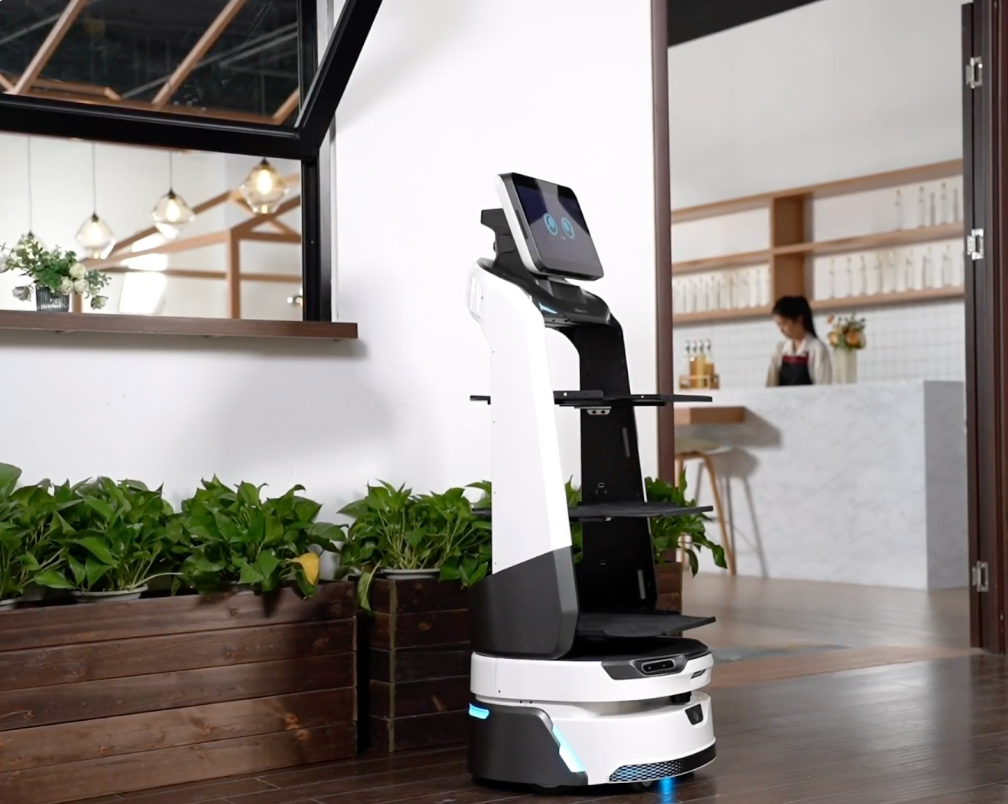
The persistent labor shortages and rising operating costs within the lounges sector have created significant service and maintenance challenges in VIP lounges, where guests expect impeccable hygiene and rapid, contactless service. As operators struggle to fill physically demanding roles and manage the rigorous sanitation requirements of premium hospitality spaces, maintaining brand standards has become increasingly complex and costly. To overcome these hurdles and ensure consistent service quality, indoor delivery robots have emerged as a highly effective solution. By automating the repetitive transport of food, beverages, and used tableware, these advanced systems allow human staff to focus entirely on elevating the guest experience while keeping operational overhead firmly in check.
The OrionStar LuckiBot Pro exemplifies these industry-required capabilities by combining robust hardware with advanced environmental perception designed specifically for high-demand hospitality settings. According to manufacturer data, it offers a total payload of up to 60 kg across its adjustable trays, accommodating heavy loads of beverages and used tableware to significantly reduce manual lifting. To ensure smooth operation in congested areas, the robot utilizes a 240-degree 3D all-around obstacle recognition system—powered by triple RGBD cameras and LiDAR—allowing it to safely navigate around luggage and guests with rapid precision. Furthermore, its reliable battery supports continuous cruising times of up to 12 hours on a single charge under a typical cruising scenario, ensuring consistent bussing and delivery support throughout the busiest travel windows.
Airport facilities often require staff to walk hundreds of meters between kitchens and passenger seating zones, making rapid bussing and replenishment incredibly challenging. Indoor delivery robots resolve this by continuously transporting food trays and beverages from secure kitchen zones directly to distant lounge areas. This automation helps maintain a clean, organized environment without causing disruptive noise or interrupting the relaxation of travelers between flights.
Guests utilizing premium hotel spaces hold high expectations for privacy, discreet service, and pristine hygiene. Robots seamlessly handle the mundane task of hauling used plates back to the kitchen, adhering to the low-noise constraints expected in these premium environments. By operating quietly in the background, they allow human attendants to focus on delivering a highly personalized concierge experience.
These high-traffic, continuous-operation environments demand constant navigation and reliable service without compromising strict venue security protocols. Delivery robots equipped with advanced spatial mapping navigate safely through crowded gaming floors and multi-tenant layouts to deliver refreshments directly to guests. Their consistent presence ensures tables are cleared quickly, keeping the lounge immaculate at all hours.
In cigar and whisky bars, where subdued lighting and absolute discretion are expected, robots using specialized low-vibration transport modes deliver open-plate snacks and sealed bottles without spilling. The quiet, contact-limited service means guests remain undisturbed while enjoying their premium beverages.
To maximize operational efficiency, indoor delivery robots can be seamlessly integrated with the existing technological infrastructure of premium hospitality venues. By connecting with mobile Point of Sale (POS) platforms, guests can place orders directly from their smartphones, triggering the robot to deliver items straight to their location. Additionally, these robots frequently interface with fleet management software and multi-robot coordination systems, allowing for dynamic dispatching and optimized route planning alongside designated building access protocols like automated elevators.
Incorporating indoor delivery robots into premium service models effectively aligns with the hospitality industry’s strategic pivot toward automation, advancing both environmental sustainability and responsible workplace governance.
Indoor delivery robots are fundamentally changing the way the lounges sector maintains and operates VIP lounges, shifting the operational focus from repetitive manual labor to sophisticated, guest-centric hospitality. By alleviating the physical strain on staff and ensuring rapid, hygienic service during peak hours, these autonomous platforms help operators overcome persistent labor shortages while safeguarding brand reputation. For venues aiming to future-proof their operations, the OrionStar LuckiBot series offers versatile, highly scalable models designed to meet the distinct spatial and service requirements of modern premium environments.