

REQUEST DEMO
Robot CATALOG will be sent to your mailbox immediately after submission.
SUBMIT
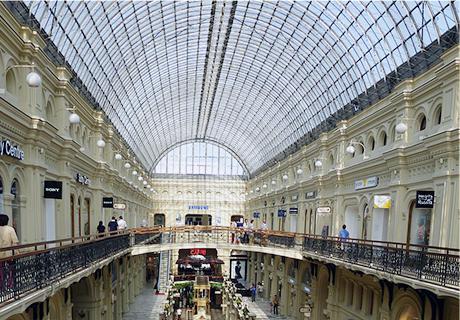
Building management teams operating shopping malls are facing a structural squeeze on cleaning labor, contending with staffing rates hovering around 70 percent and turnover often reaching up to 200 percent, alongside mounting pressure to reduce operational costs and meet stringent environmental compliance mandates. To address these compounding challenges without compromising the visual standards required for high-traffic environments, operators are increasingly turning to commercial cleaning robots as a reliable, scalable solution. By integrating advanced navigation and automated floor care into daily routines, these intelligent platforms are shifting facility maintenance from a reactive, labor-intensive expense into a predictable, data-driven operation.
Illustrating these industry-wide capabilities, OrionStar CleaniBot S55 Pro integrates multi-mode functionality, including scrubbing, sweeping, and dust mopping, into a single autonomous platform. According to manufacturer data, it utilizes a multi-sensor system featuring LiDAR and stereo cameras to navigate and build maps for areas up to 10,000 square meters, allowing it to adapt to complex shopping mall layouts while effectively avoiding dynamic obstacles. Operating at noise levels as low as 45 decibels in dust mopping mode and achieving up to 1,368 square meters per hour in sweeping and vacuuming modes, the unit demonstrates how automated systems can maintain environmental hygiene quietly and efficiently during active facility hours without causing disruption.
These expansive, high-traffic zones accumulate continuous debris and require consistent visual upkeep without obstructing pedestrian flow. Autonomous systems utilize dynamic path planning to navigate safely around moving shoppers, ensuring comprehensive floor scrubbing and vacuuming during both active business hours and off-peak shifts.
Frequent spills and localized heavy soiling present constant slip hazards and critical hygiene challenges in dining areas. By deploying localized power scrubbing or sweep-and-mop modes, robotic solutions address tough stains and remove debris efficiently while simultaneously containing dirty wastewater to maintain a safer consumer environment.
The transitional entry zones between the outdoors and indoor retail spaces suffer heavily from tracked-in dirt, weather-related moisture, and varying surface textures. Multi-mode robots can switch seamlessly between deep scrubbing for hard surfaces and sweeping for debris collection, standardizing the cleanliness of these high-impact entry points and protecting interior floors.
To move beyond isolated operation, commercial cleaning robots are increasingly integrated directly into the layered smart-building technology stack of modern shopping malls, connecting with existing Building Management Systems (BMS) and Computerized Maintenance Management Systems (CMMS). While a traditional BMS can detect an environmental trigger—such as a high foot-traffic alert or an HVAC anomaly—modern cleaning platforms close the operational loop by feeding run-completion data, area-cleaned logs, and obstacle telemetry back into the CMMS or an IoT-native platform via standardized protocols like MQTT or REST APIs. This integration dramatically reduces alert-to-work-order latency, allowing robots to automatically adjust cleaning schedules based on real-time occupancy data while seamlessly pushing performance metrics into the facility’s centralized analytics dashboard.
By providing verified, system-generated data on water, chemical, and energy reductions, cleaning automation directly transforms daily floor maintenance into a measurable asset for broader sustainability and ESG scorecards.
Commercial cleaning robots are fundamentally changing the way building management approaches the continuous maintenance of shopping malls by actively solving chronic labor shortages and supporting strict environmental mandates. Through intelligent navigation, multi-mode adaptability, and deep integration with facility management software, these platforms elevate floor care from a manual chore into a seamless, data-driven operational strategy. For management teams seeking to navigate complex architectural layouts and diverse surface requirements, product lines such as the OrionStar CleaniBot series offer various models specifically designed to match distinct environmental scales and operational workflows, providing a practical pathway to modernize long-term facility upkeep.