

REQUEST DEMO
Robot CATALOG will be sent to your mailbox immediately after submission.
SUBMIT
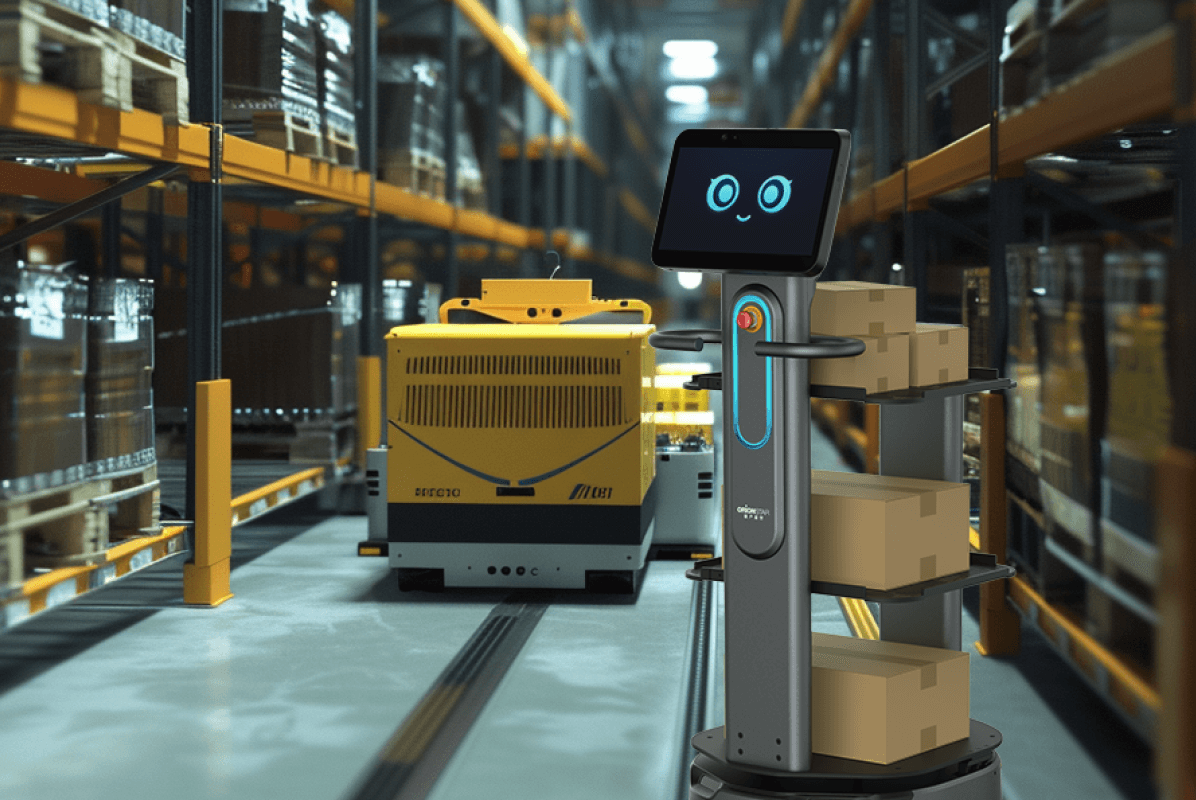
Institutional foodservice in hospital cafeterias faces a compounding operational crisis marked by severe staffing shortages, escalating labor costs, and stringent compliance requirements for patient safety. As foodservice operations struggle to maintain meal temperature, accuracy, and timely delivery across sprawling medical campuses, staff members are frequently stretched thin, leading to potential process breakdowns and diminished quality of care. To overcome these logistical hurdles and protect the patient dining experience, indoor delivery robots have emerged as a practical, automated solution to streamline material transport and meal distribution.
The OrionStar CarryBot D150 illustrates these technological capabilities by automating heavy-duty material transport within complex environments. According to manufacturer data, it offers a robust net payload capacity of up to 150 kg, enabling it to move bulk ingredients or dense tray stacks efficiently. Equipped with visual simultaneous localization and mapping (VSLAM), the robot requires a minimum passage clearance of just 65 cm, allowing it to navigate constrained cafeteria spaces and tight hallways safely. Furthermore, manufacturer testing indicates it can operate for up to 12 hours on a single charge, providing the operational endurance needed for uninterrupted shift support.
Managing soiled trays during peak meal times is a labor-intensive process that frequently leads to unsanitary pile-ups. Indoor delivery robots can autonomously shuttle loaded carts from the dining hall back to the dishwashing station on a continuous loop. This constant circulation prevents backlog and allows sanitation staff to remain stationed efficiently at the cleaning area.
During high-volume service hours, keeping ingredient stations replenished requires constant trips to the back-of-house storage. Robots utilize multi-point delivery settings to distribute fresh pans of food or bulk ingredients directly to the service line on demand. This keeps cafeteria workers facing the customers and ensures smooth, uninterrupted food service.
Transporting specialized dietary meals across long hospital campuses traditionally forces foodservice staff to spend hours walking. Automated delivery platforms safely carry insulated meal pods from the central kitchen to decentralized clinical wards, actively navigating around foot traffic and medical equipment. By handling the long-distance transport, the technology preserves meal temperatures and significantly accelerates delivery times.
Hospital staff break rooms require frequent restocking of snacks, beverages, and quick meals throughout the day and night. Delivery robots efficiently transport bulk supplies to these decentralized nourishment rooms without pulling catering managers away from core cafeteria operations. This ensures that frontline healthcare workers always have reliable access to essential refreshments during demanding shifts.
Indoor delivery robots function as an active component within a hospital's broader digital ecosystem, interfacing seamlessly with diet order management and personalized meal-ordering applications. By tying into centralized healthcare foodservice automation suites, these robots share a unified data backbone with delivery tracking software, QR code menus, and advanced tray pod equipment. This deep system integration ensures real-time diet order updates, provides a transparent, auditable data trail that supports facilities in maintaining compliance with health privacy standards, and aligns the physical transport of food with existing building management systems (BMS) and clinical communication tools.
Indoor delivery robots are fundamentally changing how institutional foodservice maintains operations and safety standards within hospital cafeterias. By taking over the physically demanding and time-consuming task of material transport, these automated systems allow healthcare operations to reallocate human resources to direct patient care, nutritional accuracy, and quality control. The OrionStar CarryBot series provides a variety of models and configurations to accommodate different payloads and spatial constraints, offering adaptable solutions for facilities looking to modernize their intralogistics architecture.