

REQUEST DEMO
Robot CATALOG will be sent to your mailbox immediately after submission.
SUBMIT
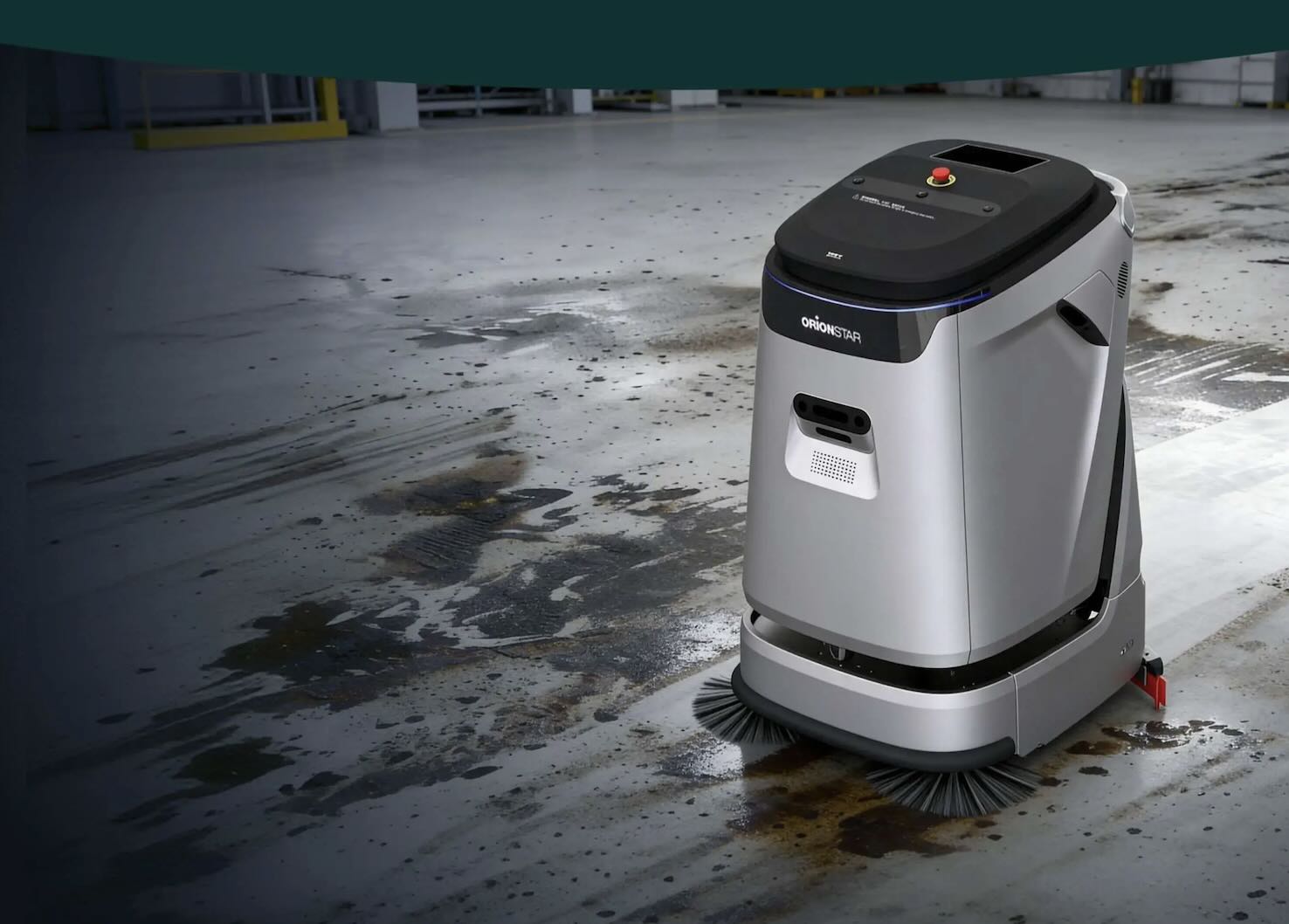
Facility management within the modern warehouse club stands at a clear inflection point. For decades, maintaining these massive retail environments relied strictly on intensive manual labor. However, that approach is actively shifting. Expanding industry footprints and severe labor shortages make traditional cleaning schedules difficult to maintain. Moreover, the cost curve for robotic hardware has steadily stabilized over recent years. Concurrently, core mapping and navigation technologies have finally reached the necessary maturity to operate safely in dynamic commercial environments. Consumers now expect spotless floors alongside bulk merchandise, shifting cleanliness from a background necessity to a frontline priority. Therefore, the automatic floor scrubber has emerged as a fundamental, industry-level solution. These systems handle the overwhelming scale of daily floor care without interrupting store operations or inconveniencing shoppers. As a result, facility managers can finally address the physical limits of manual upkeep in high-traffic retail spaces.
Collectively, these mounting pressures point to a single conclusion—the traditional, manual-only model is no longer sustainable.
To address these operational demands, the OrionStar CleaniBot series provides a differentiated, dual-model strategy. Instead of relying on a single machine to handle an entire warehouse club, building operators can deploy specialized hardware. The CleaniBot C5 acts as the heavy-duty industrial equipment for vast, open areas. This larger model tackles expansive sales floors, wide main aisles, receiving areas, and fresh and frozen sections. Operating with a massive 90L water tank capacity and delivering continuous runtimes of up to several hours, the C5 covers massive square footage autonomously.
Conversely, the CleaniBot S55 Pro serves as a compact commercial unit tailored for agile navigation across tighter configurations and mixed carpet and hard-floor areas. It efficiently navigates checkouts, food courts, restrooms, and back-of-house corridors. According to manufacturer data, its compact profile allows it to clean up to the very edges of narrow aisles. Furthermore, the S55 Pro maintains a low noise profile, ensuring daytime spot cleaning does not disrupt the shopping experience. Therefore, the two models function not in competition, but in a highly complementary manner. Each unit operates precisely where its physical profile fits best, ensuring total facility coverage.
Furthermore, the OrionStar CleaniBot series integrates comprehensive digital management capabilities. Facility managers can utilize cloud platforms for remote deployment, fleet tracking, and generating detailed cleaning data reports. Because these automatic floor scrubbers rely on visual sensors and cloud data processing for navigation, operating procedures must remain secure. Facility operators should always verify that local data handling and video routing comply with GDPR or regional privacy frameworks. Above all, this interconnected, multi-model approach creates a seamless, highly efficient maintenance ecosystem.
Ultimately, these results are not theoretical; they represent the practical reality that facility managers and building operators are already validating on the ground.
A common misconception assumes that automation exists simply to replace human workers. In reality, introducing an automatic floor scrubber elevates the existing workforce. Managing a sprawling warehouse club requires sharp human judgment, which is often wasted on pushing a manual scrubber for hours. By assigning repetitive, large-scale floor maintenance to robots, human staff can transition toward higher-value responsibilities. Custodial teams redirect their focus to targeted spot-cleaning, maintaining sanitation in high-touch restroom areas, and managing sudden spills.
Moreover, staff can prioritize customer service and visual merchandising tasks that machines cannot perform. This shift also triggers the emergence of entirely new technical skills. Traditional janitorial staff gradually transition into roles resembling fleet managers. They learn to monitor digital dashboards, schedule robotic cleaning zones, and perform basic hardware maintenance. In short, automation handles the intense physical labor, while human workers provide the necessary oversight and adaptability. The relationship fundamentally remains collaborative.
Moving forward, the automatic floor scrubber is steadily transitioning from a novelty to standard facility infrastructure. The sheer scale of modern retail demands tools that can match the physical footprint of the environment. As operators assess their spatial requirements, they will increasingly seek flexible solutions. The OrionStar CleaniBot series, offering multiple models to suit distinct spatial challenges, exemplifies this necessary adaptability. Facility managers now recognize that integrated hardware and software ecosystems provide the most resilient path forward. Ultimately, the future of retail facility management depends on intelligent resource allocation. Those who successfully integrate automated systems into their daily operations will establish the new baseline for operational efficiency and environmental hygiene.