

REQUEST DEMO
Robot CATALOG will be sent to your mailbox immediately after submission.
SUBMIT
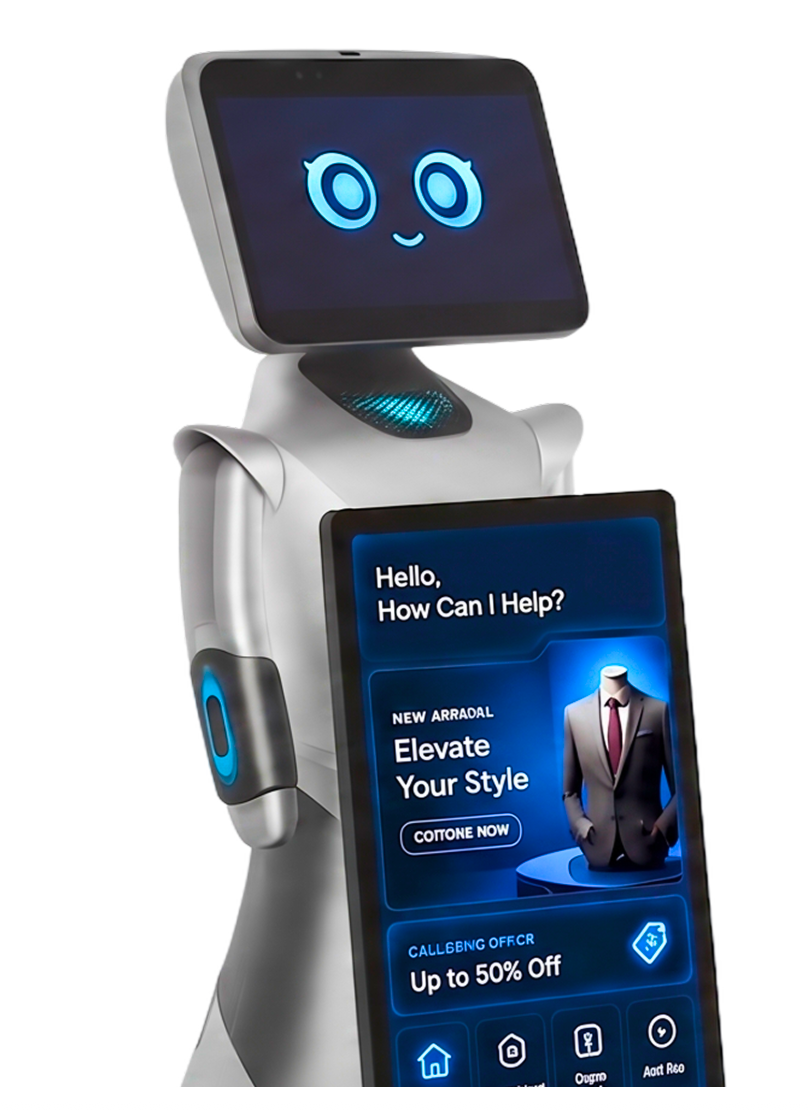
Car dealerships face a highly demanding operational environment in vehicle display areas, where management must constantly balance the pressure to deliver a high-end customer experience with acute sales-staff shortages and the ongoing erosion of physical showroom presentation. Traditional static displays and fragmented handover processes between greeters and product specialists often lead to frustrating wait times, duplicated efforts, and missed opportunities to capture valuable lead data during peak foot traffic. In-store marketing robots are emerging as a practical, automated solution to these friction points, providing continuous, interactive digital engagement that bridges the gap between physical vehicle showcases and backend digital retail systems.
The OrionStar GreetingBot AD physicalizes these category capabilities through a dual-screen humanoid architecture designed specifically for high-footfall commercial venues. According to manufacturer data, the unit features a 14-inch head touch screen for direct interactive control alongside a 21.5-inch FHD chest display that functions as mobile digital signage for brand content and vehicle specifications. To facilitate clear face-to-face AI interaction in echoing showrooms, it utilizes a 6-microphone circular array with 360-degree sound source localization and adjustable head pitch motion. Supported by a 20 Ah battery delivering up to 8 to 10 hours of runtime, the platform's autonomous navigation system can map areas of up to 50,000 square meters, ensuring reliable, all-day coverage across expansive dealership floors.
These central, high-traffic spaces frequently suffer from inconsistent customer greeting experiences during peak hours when all sales personnel are occupied. Marketing robots provide immediate, proactive engagement by welcoming visitors, offering guided multi-point vehicle walkarounds, and answering preliminary questions to keep potential buyers invested.
Dealerships often struggle to extend digital brand interactions and maintain consistent monitoring across expansive, open-air exterior lots. Automated mobile platforms mitigate this by providing a persistent, roaming presence that extends dynamic digital signage to the exterior inventory while logging environmental data.
Customers waiting for finance approvals or paperwork processing often experience drops in satisfaction due to unproductive idle time. By patrolling these lounge areas, robots can offer interactive digital brochures, maintenance packages, and brand content to keep buyers engaged and informed while they wait.
The final vehicle handover process requires extensive feature explanation that consumes significant amounts of specialist staff time. A robot can assist by walking the customer through standard digital tutorials, infotainment setup guides, and warranty overviews, ensuring a consistent and highly memorable delivery experience.
To generate meaningful commercial value, in-store marketing robots must integrate seamlessly with the dealership's existing technological infrastructure, including Dealer Management Systems (DMS) and Customer Relationship Management (CRM) platforms such as VinSolutions or Salesforce Automotive Cloud. By connecting via the venue's Wi-Fi 6 or 4G networks, these robots synchronize with broader digital signage and IoT ecosystems, ensuring that promotional messaging remains uniform across the physical site and digital channels. Furthermore, pushing real-time engagement metrics, video-interaction data, and structured leads from the robot directly into scheduling platforms like Xtime creates an automated retargeting loop that connects frontline showroom interactions with backend sales and inventory databases.
In-store marketing robots are fundamentally changing how car dealerships manage foot traffic and interact with customers in vehicle display areas, shifting the retail dynamic from static waiting to proactive, data-enriched engagement. As automotive retail environments continue to evolve toward highly digitized, omnichannel experiences, the OrionStar GreetingBot AD series provides multiple configurations tailored to specific layout demands, offering dealership operators scalable options to integrate AI-driven service into their daily floor operations.