

REQUEST DEMO
Robot CATALOG will be sent to your mailbox immediately after submission.
SUBMIT
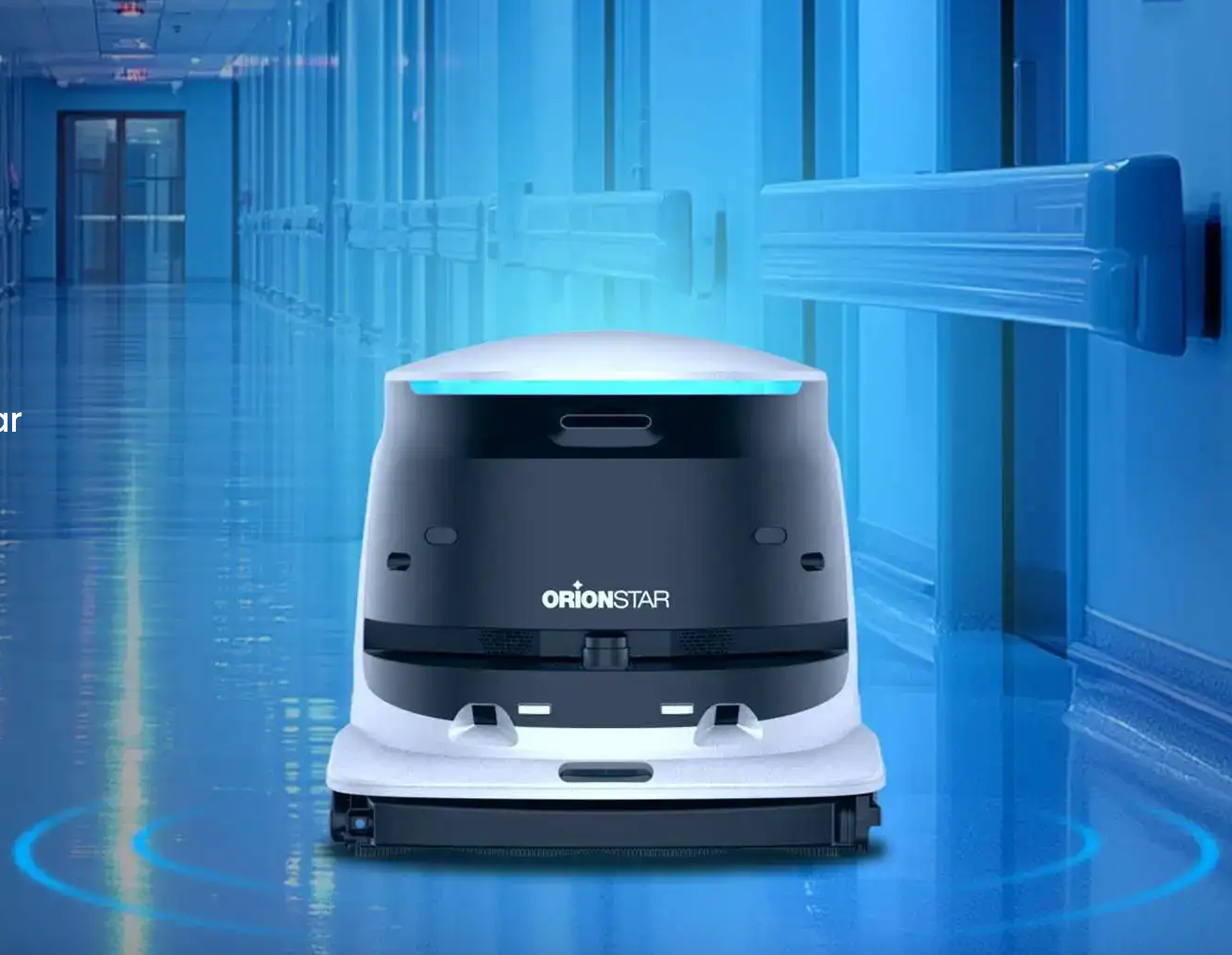
In the demanding realm of shopping center management, public restrooms present a unique set of operational challenges characterized by high-frequency foot traffic and intense contamination risks that directly impact customer satisfaction. Because shoppers strongly associate restroom hygiene with the overall brand image of a retail facility, inconsistent cleaning or poor sanitation can quickly erode customer trust and drive away business. To address the continuous pressure of maintaining spotless facilities amid ongoing labor shortages, facility operators are increasingly integrating commercial cleaning robots as a reliable, automated solution to elevate restroom hygiene and protect brand reputation.
To illustrate how these automated capabilities function in real-world retail environments, the OrionStar CleaniBot S55 Pro serves as a practical example of integrating versatile floor care into public spaces. The robot utilizes a comprehensive multi-sensor navigation system, including a LiDAR sensor capable of mapping spaces up to 10,000 square meters according to manufacturer data, which allows it to dynamically update its path and avoid obstacles like shoppers or maintenance carts. Furthermore, its ability to operate at noise levels as low as 45 decibels in dust mopping mode ensures that routine maintenance can occur discreetly in echoing restroom approach corridors without disrupting the retail atmosphere. By offering a maximum cleaning efficiency of up to 1,368 square meters per hour in its sweeping and vacuuming modes, the system allows facility teams to rapidly maintain expansive adjacent common areas while dedicating human staff to the intricate details of restroom interior sanitization.
The transition zone leading into a restroom endures continuous foot traffic and acts as a funnel for dirt tracked in from food courts and retail concourses. During peak shopping hours, robots can perform rapid, low-noise dust mopping to keep this critical first-impression area pristine without obstructing pedestrian flow. In off-peak overnight hours, automated systems execute intensive power scrubbing to tackle tough grime and surface grease from the entryway tiles.
Floors directly beneath sinks are highly susceptible to water splashes, dropped paper towels, and slippery soap residue, creating constant slip-and-fall hazards. Automated sweep and vacuum capabilities allow robotic units to swiftly clear debris during off-peak deep cleaning cycles, ensuring the surface is prepped for manual detail work. During high-traffic daytime fast turnover rotations, the presence of robotic scrubbers handling the adjacent floors allows human custodians to focus exclusively on wiping down counters and restocking dispensers.
The floor area surrounding urinals is prone to persistent moisture, requiring rigorous hygiene standards to prevent the accumulation of persistent odors and heavily soiled residues. While human teams handle the intricate sanitation of fixtures during fast daytime turnover, automated scrubbers can manage the surrounding floor areas during extended off-peak night shifts, applying consistent chemistry and mechanical agitation. This collaborative rhythm ensures deep cleaning is achieved without compromising the availability of the facilities during operational hours.
Sanitation expectations are exceptionally high in family restrooms and baby-changing zones, where parents demand a highly hygienic and rigorously maintained environment for their infants. Automated floor sweeping modes can silently maintain the access corridors during low-traffic windows, eliminating dust and allergens. During busy daytime periods, this automated assistance ensures that the floor is consistently maintained to high standards, reinforcing the shopping center's commitment to family-friendly hygiene.
Commercial cleaning robots function as mobile IoT nodes that can fit into a modern facility's digital ecosystem by utilizing 4G/Wi-Fi connectivity for remote monitoring and data reporting. By integrating with anonymous foot-traffic sensors, one-click restroom feedback tools, and doorway counters, the cleaning schedule can shift from rigid hourly checks to dynamic, demand-based deployment. When footfall data indicates a spike in restroom usage or a customer submits an on-the-spot cleanliness alert, the system can automatically dispatch human technicians for interior detail work while simultaneously routing cleaning robots to handle the approach corridors, optimizing both labor efficiency and response times.
The integration of commercial cleaning robots is fundamentally changing how shopping center management approaches the rigorous maintenance required for public restrooms and their surrounding high-traffic zones. By offloading repetitive floor care to automated systems, facility operators can effectively mitigate labor shortages, elevate the overall customer experience, and maintain a pristine brand image. For retail properties looking to modernize their maintenance strategies, the OrionStar CleaniBot series offers a variety of models equipped with diverse cleaning capabilities to suit different spatial layouts and operational demands, providing a scalable pathway toward smarter facility management.
All performance metrics, including mapping capacity, runtime, and cleaning efficiency, are based on OrionStar internal testing under standard operating conditions. Actual performance may vary depending on environmental complexity, floor type, and selected cleaning modes.