

REQUEST DEMO
Robot CATALOG will be sent to your mailbox immediately after submission.
SUBMIT
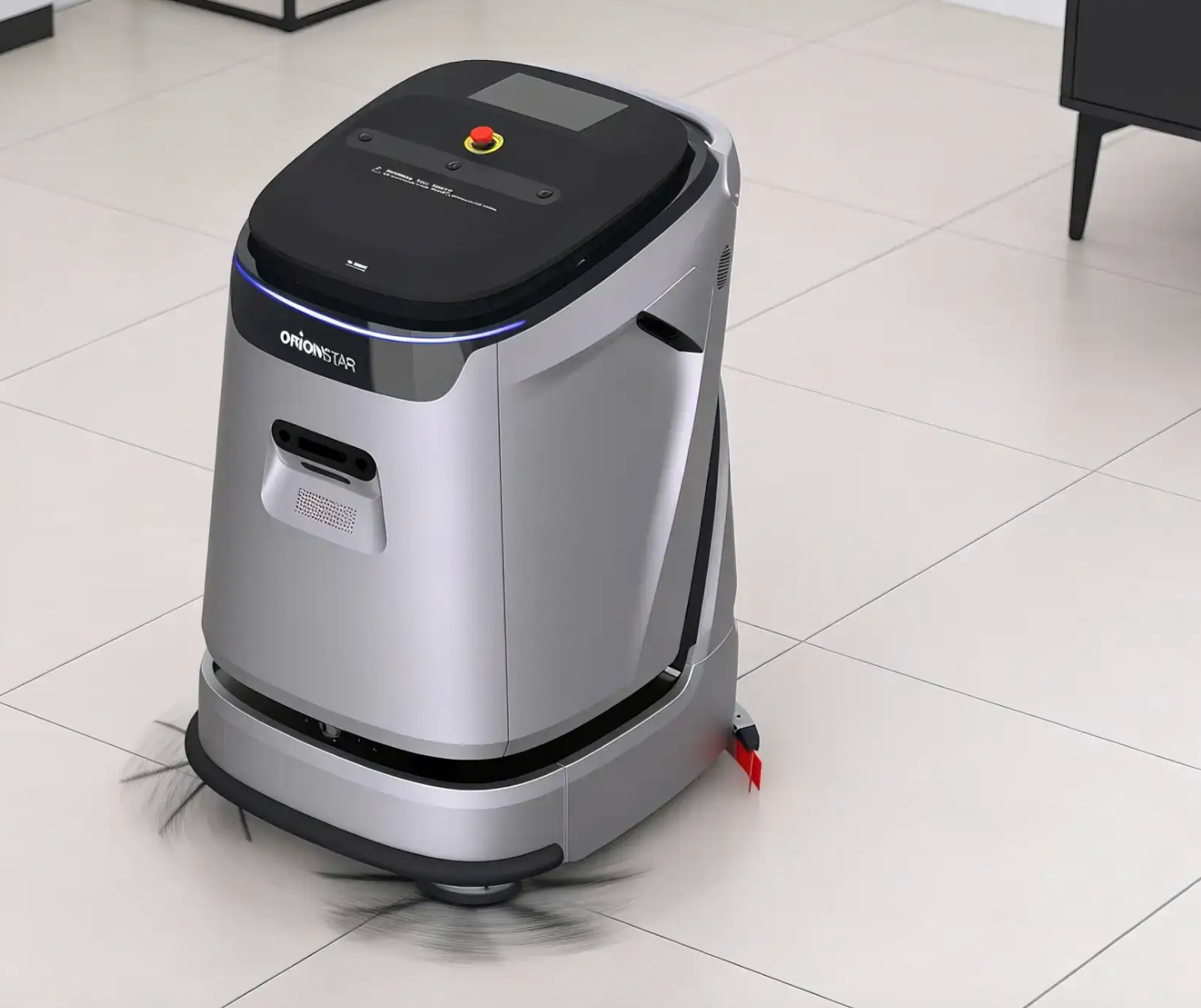
Retail facility management in the supermarket chain sector is facing unprecedented operational pressure, balancing structurally thin profit margins with severe labor shortages, rising training costs, and heightened hygiene compliance standards. Store managers are struggling to allocate sufficient manual labor to maintain the pristine environments that post-pandemic consumers demand, as high turnover and wage inflation continually disrupt daily maintenance routines. To resolve this tension between escalating costs and elevated cleanliness expectations, commercial cleaning robots are increasingly being deployed as a strategic solution to automate repetitive floor care, ensure consistent hygiene, and allow retail staff to focus on customer-facing tasks.
The OrionStar CleaniBot C5 demonstrates these automated capabilities by integrating an autonomous path planning system capable of mapping commercial spaces of up to 10,000 square meters, according to manufacturer data. It utilizes a dual-rolling-brush system providing 25 kg of downward scrubbing pressure to handle heavy grime, cleaning at a maximum capacity of up to 1,980 square meters per hour. Furthermore, its automated workstation manages self-cleaning, waste-water discharge, and recharging, allowing the unit to maintain continuous multi-shift operations in expansive retail environments with minimal human intervention.
Wide grocery aisles experience high foot traffic and the constant movement of shopping carts, making consistent cleaning difficult during operating hours. Commercial cleaning robots navigate these dynamic spaces using advanced obstacle avoidance sensors, maintaining pristine floors without disrupting the customer shopping experience.
Dropped fruits, vegetable debris, and occasional water spills create slip hazards and persistent cleanliness challenges in fresh food zones. Automated scrubbers can apply downward pressure to effectively remove sticky residues while simultaneously absorbing excess water to help promote a drier, safer walking surface.
The entrance and checkout zones see the highest concentration of footfall, quickly accumulating outside dirt and debris that negatively impact a store's first impression. By utilizing systematic path planning, robots efficiently clean these critical high-traffic bottlenecks during off-peak hours or quieter operational periods.
Storage areas and inventory corridors are frequently neglected due to front-of-house labor prioritization, yet they are prone to heavy grime and pallet debris. Industrial-grade automated units can safely navigate these narrow corridors, keeping logistics pathways clean and hazard-free for warehouse staff.
Commercial cleaning robots function as mobile IoT nodes within the broader smart building ecosystem of modern grocery retailers, utilizing sensors to perceive the environment, detect obstacles for safe navigation, and identify high-traffic areas requiring immediate attention. These units feed performance data directly into retail facility management networks, creating a data-to-insights-to-actions cycle that provides store leaders with real-time reporting and analytics. Fleet management platforms accessible via laptops or mobile devices allow managers to review operational efficiency, optimize cleaning schedules, and maintain strict quality control, provided that the IoT devices are fully compatible with existing maintenance software and staff are trained to manage connected equipment.
By integrating automation into their daily maintenance routines, retail organizations can effectively advance their broader environmental and social governance objectives.
Commercial cleaning robots are fundamentally changing how the retail facility management industry approaches maintaining the modern supermarket chain, offering a practical, scalable solution to the persistent challenges of labor scarcity and rising operational costs. By embracing data-driven, automated floor care, grocery retailers can elevate their hygiene standards while empowering their human workforce to focus on essential customer service tasks that drive revenue. For operators evaluating automated solutions, the OrionStar CleaniBot series provides multiple models designed to adapt to the specific spatial, operational, and budgetary demands of diverse retail environments.