

REQUEST DEMO
Robot CATALOG will be sent to your mailbox immediately after submission.
SUBMIT
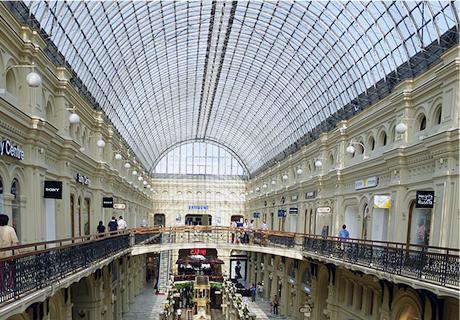
Retail Facility Management in the hypermarket environment is currently at a critical inflection point. European grocery retailers are projecting average profit margins of just 2.8%, forcing operators to scrutinize every operational expense. At the same time, customer expectations for pristine stores are rising. This is heavily driven by a 6.8% annual growth in prepared-food and foodservice sections. Therefore, the gap between required cleaning frequencies and available labor is expanding rapidly. Technology has finally matured enough to meet this exact structural shortfall. Sensor reliability, advanced navigation, and cost-effective battery systems have aligned to make automation viable at scale. As a result, commercial cleaning robots have emerged as a necessary industry-level solution. These systems offer predictable performance and verifiable data to stabilize facility maintenance. Above all, they shift floor care from a constant staffing struggle to a manageable, automated process. The industry is moving past pilot programs and entering an era of widespread operational integration.
These pressures collectively point to a single conclusion—the traditional manual floor care model is no longer sustainable.
The OrionStar CleaniBot series provides a differentiated, dual-model solution for complex retail environments. Rather than offering a single machine, this approach deploys specific robots to handle the distinct sub-spaces of a hypermarket.
The CleaniBot C5 is engineered for heavy-duty environments like storage and receiving areas. According to manufacturer data, it delivers up to 25 kg of downward scrubbing pressure using a dual-rolling-brush system. This makes it highly suitable for heavy grime and high-traffic concrete floors. Furthermore, its combined 90 L water-tank capacity significantly reduces refills, ensuring continuous operation during demanding night shifts.
Conversely, the CleaniBot S55 Pro is designed for customer-facing zones, including main aisles, fresh food departments, and checkout zones. It features multiple adaptable cleaning modes, such as dust mopping and ECO vacuuming. It operates at a quiet 55 dB in scrubbing mode, according to manufacturer data. This allows it to function during daytime hours without disrupting shoppers.
The logic here is inherently complementary. It is not about which model is superior, but how they divide tasks to cover entirely different retail scenarios. Together, they ensure comprehensive facility maintenance. Moreover, both platforms integrate strong digital management capabilities. Connectivity through Wi-Fi and 4G enables remote deployment, cloud-based maintenance, and precise data reporting across the fleet. Facility managers can monitor route completion, downtime, and utilization from a central dashboard. Because these connected platforms utilize navigation sensors and mapping, operating entities must independently verify GDPR compliance. Operators must ensure that real-time data processing and local storage align with regional data-protection regulations for their specific deployments.
These results are not theoretical projections; they are the reality that retail facility managers and hypermarket operators are already validating in the field.
\Data derived from reported customer case studies. Actual results may vary depending on facility size, operational protocols, and environmental conditions.*
Automation within retail facility management is not designed to replace human workers. Instead, it serves to elevate their daily responsibilities. Autonomous platforms take over the highly repetitive, physically demanding tasks of large-area floor scrubbing and sweeping. As a result, human staff can transition toward high-value work that requires critical thinking and adaptability. In a hypermarket setting, this means facility teams can focus on high-touch surface cleaning, detailed spill response, and direct customer service.
Moreover, this transition creates entirely new roles within the operational structure. Traditional janitorial staff are learning new skills to become robotic fleet managers. They are now responsible for overseeing route optimization, interpreting digital utilization reports, and managing daily machine maintenance. This shift improves workplace ergonomics and reduces the physical strain that often drives high turnover rates. Above all, it establishes a collaborative operational model. The machines handle the predictable floor care, while human professionals ensure overall quality supervision.
Commercial cleaning robots are rapidly transitioning from experimental technology to fundamental infrastructure within Retail Facility Management. As labor constraints and margin pressures persist, automated floor care will become as standard as modern HVAC or lighting systems. The OrionStar CleaniBot series supports this ongoing shift by providing multiple models adapted to specific spatial requirements. By matching the right machine to the right zone, operators can maintain vast retail footprints with precision and consistency. Moving forward, the true value of these systems will lie in their integration with broader smart-building ecosystems. Data-driven cleaning operations will dynamically respond to store traffic and occupancy levels. Ultimately, hypermarket operators who adopt structured automation will secure a permanent operational advantage in a highly demanding retail landscape.