

REQUEST DEMO
Robot CATALOG will be sent to your mailbox immediately after submission.
SUBMIT
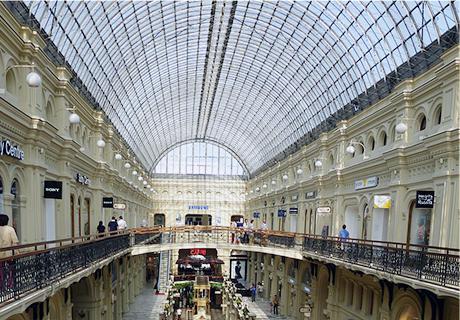
Retail facility management in the modern shopping mall is currently passing through a critical inflection point. For decades, maintaining vast commercial footprints relied entirely on manual labor, a model that is now breaking down under structural pressure. Today, rising wages and shifting workforce demographics have fundamentally altered the cost curve of traditional maintenance. Simultaneously, consumer expectations for visible, impeccable cleanliness remain permanently elevated following the pandemic. This convergence of high operational costs and stricter hygiene standards demands a systemic operational shift. Fortunately, autonomous technology has reached a state of deep commercial maturity. As a result, commercial cleaning robots have evolved from experimental gadgets into foundational, industry-level solutions. They offer a scalable way to maintain massive square footage without proportionally scaling headcount. By adopting these automated systems, shopping mall operators can finally stabilize their maintenance budgets. Moreover, this transition enables facilities to consistently meet high consumer expectations while protecting their bottom line.
Together, these pressures point to a definitive conclusion: the traditional manual cleaning model is no longer sustainable.
The OrionStar CleaniBot series provides a differentiated, dual-model solution designed to address the diverse layout of a modern shopping mall. Instead of offering a single compromise, the series deploys specialized machines for specific operational zones. The CleaniBot C5 serves as the heavy-duty workhorse for expansive, high-traffic sub-spaces like parking areas and main entrances. According to manufacturer data, it delivers up to 25 kg of downward scrubbing pressure and features a combined 90-liter water tank system. This allows the C5 to handle heavy oil, grime, and stubborn stains across massive concrete or tile floors with minimal manual refilling.
Conversely, the CleaniBot S55 Pro is optimized for refined, mixed-use interior zones such as main walkways, atriums, and food courts. It operates quietly at a noise level of just 45 decibels in dust mopping mode, according to the manufacturer. Furthermore, its minimal passing width of 700 mm enables it to navigate tighter corridors and crowded retail common areas effortlessly.
Importantly, these two models are deeply complementary. They operate simultaneously to ensure that both industrial-grade loading zones and delicate polished atriums receive appropriate, continuous care. Beyond physical cleaning, the series features robust digital management capabilities, including remote deployment, cloud-based maintenance, and detailed data reporting. Because these robots utilize cloud platforms and capture facility data, shopping mall operators must carefully verify their data processing agreements. Ensuring strict compliance with GDPR principles is crucial when deploying automated systems that log operational and facility metrics.
These outcomes are not theoretical projections; they are the concrete realities that retail facility managers are already verifying in the field.
Integrating automation into commercial spaces is not about replacing the human workforce. Instead, it is about fundamentally elevating the nature of their daily tasks. In a busy shopping mall, floor care often demands endless hours of repetitive, physically exhausting labor across massive surface areas. By delegating these sweeping and scrubbing routines to robotic systems, facility managers can immediately reallocate their staff. Human workers can then transition toward higher-value responsibilities that require critical thinking and emotional intelligence. Staff members are now focusing on detailed quality supervision, localized spot cleaning, and direct customer service interaction. Furthermore, this technological shift is creating entirely new operational roles within the facility structure. Janitorial staff are transitioning into fleet managers, learning to monitor digital dashboards and manage computerized maintenance systems. Ultimately, automation removes the physical strain of large-scale maintenance, allowing human workers to focus on the nuanced details that define a superior retail experience.
Looking forward, commercial cleaning robots are rapidly transitioning from optional upgrades to essential infrastructure within retail facility management. The complexities of maintaining expansive commercial spaces demand a level of consistency and efficiency that manual labor alone can no longer provide. As shopping malls evolve into multi-purpose lifestyle destinations, their operational backbones must modernize in tandem. The OrionStar CleaniBot series demonstrates how deploying multiple, adaptable models can comprehensively address the unique demands of distinct facility zones. Facilities that embrace this automated, digitally integrated approach will gain a structural advantage in managing long-term operational costs. Ultimately, integrating intelligent robotics is the necessary next step in building resilient, highly efficient commercial environments for the future.