

REQUEST DEMO
Robot CATALOG will be sent to your mailbox immediately after submission.
SUBMIT
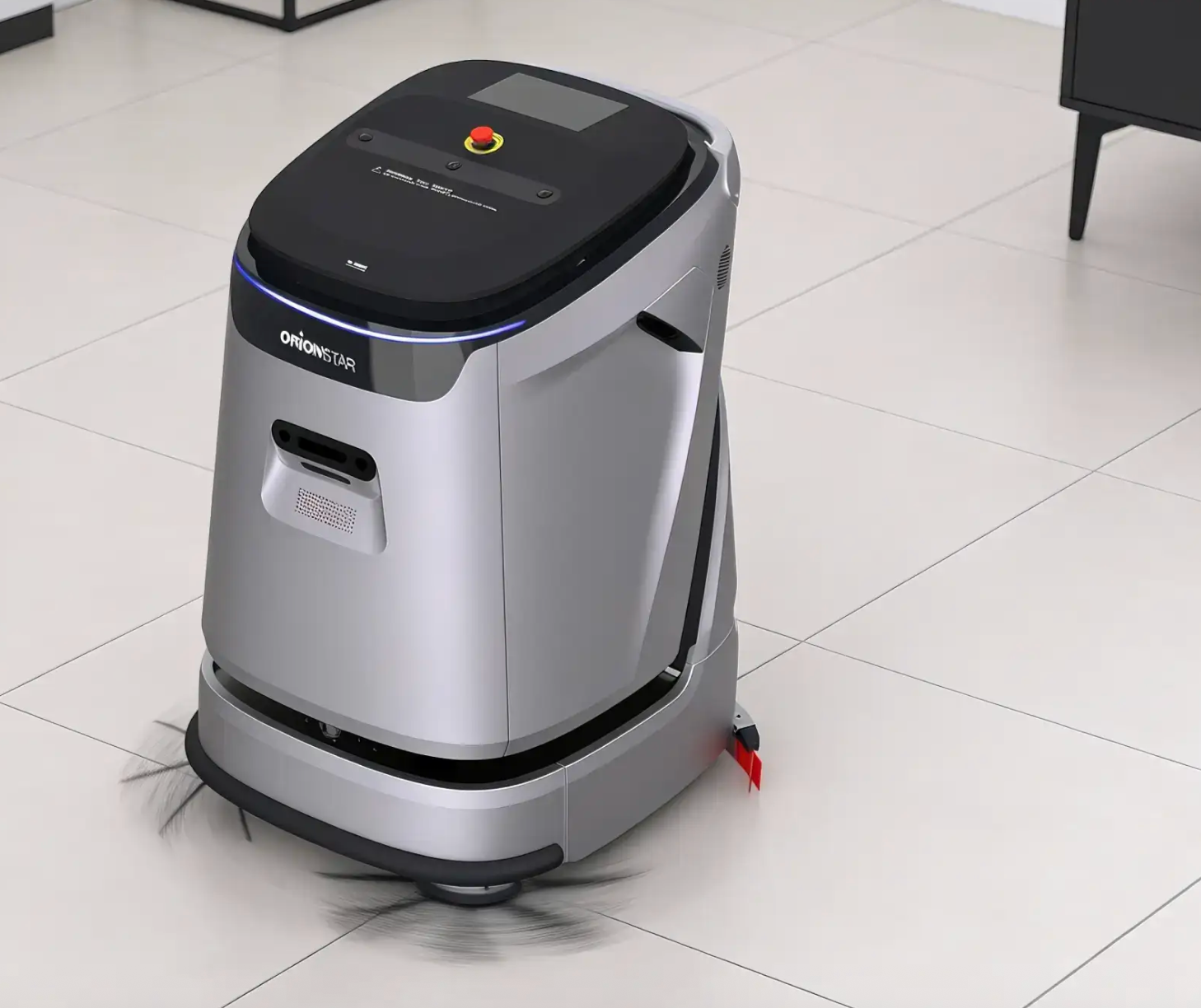
The supercenter sector within commercial buildings is currently navigating a critical operational inflection point. Facility managers and retail operators face a rapid convergence of rising operational costs and persistent labor shortages. Consequently, the traditional reliance on manual floor maintenance is becoming mathematically and practically unsustainable. The facility management market is projected to expand by over USD 800 billion globally by 2030, yet an aging workforce severely limits the available talent pipeline. At the same time, technology has matured significantly, bringing the cost curve of automation down while increasing platform reliability. Furthermore, customer expectations have permanently shifted. Shoppers now demand visibly pristine environments throughout extended operating hours. Therefore, commercial cleaning robots have transitioned from a novelty to an essential industry-level solution. These systems offer the exact consistency and scalability required to address systemic vulnerabilities. By integrating automation, retail operators can stabilize maintenance budgets and meet heightened hygiene standards without depending solely on unpredictable labor markets.
These pressures collectively point to one conclusion—the traditional model is unviable and unsustainable.
To address these structural challenges, the OrionStar CleaniBot series provides a differentiated, dual-model solution tailored for diverse retail environments. Instead of relying on a one-size-fits-all approach, this dual-model strategy ensures that distinct zones within commercial buildings receive specialized care.
The CleaniBot C5 operates as a heavy-duty platform ideal for high-traffic entryways and demanding back-of-house logistics zones. According to manufacturer data, it delivers up to 25 kg of downward scrubbing pressure, enabling the effective removal of heavy grime and warehouse oil stains. Moreover, its combined 90 L water-tank system reduces manual refills, allowing it to autonomously navigate up to 10,000 square meters of expansive storage floors.
Conversely, the CleaniBot S55 Pro is engineered for dynamic, customer-facing areas such as grocery aisles, general merchandise floors, and narrow checkout lanes. With a minimum passing width of 700 mm, it easily navigates tight retail layouts without disrupting shoppers. It also features a quiet dust mopping mode that operates at just 45 dB, allowing for continuous daytime maintenance without noise pollution.
These two models operate with a strict complementary logic. The C5 manages the aggressive, high-volume soil of loading docks, while the S55 Pro handles the nuanced, obstacle-heavy aisles of the main store. Together, they cover the entire facility footprint.
Furthermore, both systems rely on advanced digital management capabilities. Wi-Fi and 4G connectivity support remote deployment, OTA updates, and detailed cloud-based reporting. Because these platforms utilize cameras, LiDAR mapping, and cloud data processing, facility managers must carefully verify GDPR compliance. This step ensures lawful data processing, storage limitation, and appropriate privacy disclosures during automated operations. Data collected via cameras and LiDAR is strictly processed locally or anonymized for navigation purposes. Cloud data transmission is limited to operational metrics and OTA updates, subject to local privacy regulations and explicit user consent.
These results are not theoretical; they are realities that facility managers and retail operators are already validating.
Instead of eliminating jobs, automation in commercial cleaning is actively reshaping traditional retail roles. Industry observers consistently note that professional cleaning robots are best suited for repetitive, hazardous, or physically strenuous tasks across vast floor plans. Consequently, human workers are freed from grueling manual scrubbing and can transition toward more engaging, high-value responsibilities. Facility staff can now prioritize detail cleaning, direct customer assistance, and overall quality supervision. As a result, this collaborative model can significantly improve workplace well-being while reducing exposure to common musculoskeletal injuries.
Furthermore, the integration of autonomous machines necessitates entirely new skill sets on the retail floor. New technical roles are emerging in daily programming, digital monitoring, fleet supervision, and basic robot maintenance. Analysts point to more qualified, structured career paths for workers who learn to operate digital cleaning systems. In short, automation acts as a supportive tool that elevates the human workforce.
Commercial cleaning robots are rapidly transitioning from optional upgrades to essential infrastructure within the supercenter sector. As labor markets remain tight and hygiene standards stay elevated, automated floor care will become as fundamental to commercial buildings as HVAC or lighting systems. To meet these diverse spatial requirements, the OrionStar CleaniBot series provides multiple models designed to adapt to specific facility scenarios, offering a practical pathway for operators exploring automation. Above all, the future of retail facility management will be defined by the seamless integration of digital tools and physical spaces. Those who adopt these autonomous systems early will establish a resilient operational baseline, ensuring long-term stability in an increasingly unpredictable retail landscape.