

REQUEST DEMO
Robot CATALOG will be sent to your mailbox immediately after submission.
SUBMIT
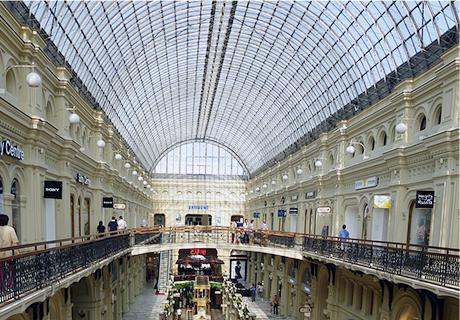
Maintaining high hygiene standards in public restrooms remains one of the most persistent operational challenges for retail centers, compounded by severe labor shortages, rising operational costs, and increasing compliance pressures. With a vast majority of visitors expecting consistently clean facilities yet frequently encountering subpar conditions, facility teams are seeking more sustainable and efficient approaches to floor care. In response to these pressing demands, commercial cleaning robots are emerging as a practical, scalable solution to automate routine floor maintenance, alleviate workforce strain, and ensure consistent hygiene levels in these high-traffic environments.
Translating these broader autonomous capabilities into a specific operational context, the OrionStar CleaniBot S55 Pro illustrates how automated floor care is executed in commercial settings. According to manufacturer data, the robot utilizes a combination of 15 sensors—including LiDAR, stereo cameras, and ultrasonic sensors—to confidently navigate around obstacles and detect drop-offs. For large-scale productivity, it supports automatic path planning and provides cleaning efficiencies of up to 1,368 square meters per hour in sweep and vacuum modes under ideal conditions, allowing it to systematically maintain expansive floor areas. Furthermore, its maximum runtime of up to 28 hours in dust mop mode under ideal conditions demonstrates how extended operational cycles can support continuous facility floor maintenance. Actual performance and runtime may vary depending on environmental complexity, pedestrian traffic, and specific floor types.
The transition areas leading into public restrooms frequently experience the highest foot traffic, accumulating tracked-in dirt, debris, and moisture from the main retail floor. Commercial cleaning robots can autonomously sweep and scrub these hard floors during off-peak hours, ensuring the first impression of the washroom area remains welcoming and hygienic.
Long, narrow walkways connecting different washroom sections require frequent maintenance to manage dust and occasional spills without disrupting visitor flow. Using intelligent obstacle avoidance and quiet operational modes, robots can navigate these tight corridors safely alongside pedestrians, maintaining clean floors with minimal noise disruption (operating at levels as low as 45 dB in dust mopping mode).
These spacious, individual stalls require consistently clean floor conditions to accommodate wheelchairs and mobility aids safely and comfortably. Autonomous sweepers and scrubbers can easily maneuver within these wider floor spaces to perform thorough edge-to-edge floor cleaning, removing debris and preventing slip hazards for vulnerable users.
Parents expect stringent hygiene standards in baby-care and nursing areas, where dropped items frequently come into contact with the floor. Floor-cleaning robots can utilize low-noise vacuuming and gentle mopping modes to continuously remove dust and dirt from these specific zones, maintaining a highly hygienic environment without disturbing resting infants.
To maximize operational efficiency, commercial cleaning robots act as mobile IoT nodes that seamlessly integrate with a retail center’s broader smart building ecosystem. By communicating via standardized wireless protocols, these robots can exchange critical data with Building Management Systems (BMS) and Computerized Maintenance Management Systems (CMMS). This interoperability allows the robots to trigger automated adaptive cleaning schedules based on real-time occupancy data, track consumable usage to generate automated procurement requests, and provide environmental monitoring data that informs overall facility management strategies.
By simultaneously driving environmental efficiency and enhancing workforce welfare, autonomous cleaning integration strongly reinforces the comprehensive ESG objectives of modern retail centers.
Commercial cleaning robots are fundamentally changing the way retail centers maintain their public restrooms, shifting the paradigm from reactive, labor-intensive floor care to a proactive, automated, and data-driven model. By ensuring consistent floor hygiene, mitigating severe staffing challenges, and optimizing operational costs, these machines help facility management teams meet the uncompromising expectations of today’s shoppers. For organizations evaluating automation strategies, the OrionStar CleaniBot series offers multiple intelligent models designed to adapt to varying floor surfaces and spatial requirements, providing scalable options for modern facility maintenance.