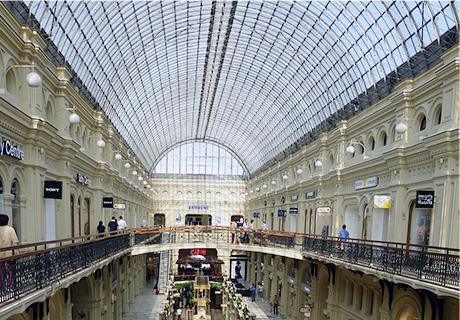
Introduction
In the modern retail landscape, Shopping Mall Management faces compounding operational challenges when maintaining expansive shopping malls, primarily driven by severe custodial labor shortages, escalating operational costs, and rigorous hygiene compliance requirements. As traditional manual maintenance models become increasingly unsustainable and expensive, the industry is accelerating the adoption of commercial cleaning robots as a reliable, scalable solution to bridge the workforce gap and continuously uphold high facility standards.
The Growing Need For Smarter Cleaning In Shopping Malls
- Shopping mall managers and facility managers are addressing persistent workforce volatility and immense staffing volatility, with custodial separation rates reaching up to 75% and daily absenteeism hitting 15%.
- Escalating operational costs are putting immense pressure on maintenance budgets, as janitorial labor for hard-surface common areas often consumes 35 to 45 percent of total operating expenses.
- Heightened post-pandemic hygiene expectations from consumers demand continuous, high-quality cleaning in high-visibility zones, which can be challenging for traditional manual models to scale and meet efficiently.
- Strict tenant lease compliance pressures require consistent common area maintenance, yet approximately 35% of manual cleaning tasks go undocumented in paper-based systems, risking financial disputes.
How Commercial Cleaning Robots Can Help
- LiDAR navigation enables commercial cleaning robots to precisely map vast retail environments and determine the most efficient coverage routes.
- Autonomous path planning ensures that the equipment can dynamically adapt to changing foot traffic and navigate around temporary displays or kiosks with minimal human intervention.
- Advanced obstacle avoidance technologies utilize multiple sensors to safely detect and bypass pedestrians, shopping carts, and sudden obstructions in highly populated public areas.
- Auto-charging and docking capabilities allow these units to independently return to their stations to recharge and manage fluids, facilitating highly efficient multi-shift operations with automated recharging and fluid management. Furthermore, optional mobile water tanks offer flexible deployment without requiring costly building plumbing modifications.
- Real-time monitoring and reporting systems provide facility operators with verifiable data on cleaning coverage and consumable status to ensure transparent compliance.
- Because these platforms often utilize cameras, environmental mapping, and cloud-based data processing for navigation, operating parties must rigorously verify that all data collection and storage comply strictly with GDPR and local privacy frameworks. OrionStar Robotics prioritizes data privacy. Environmental data and images captured for navigation are processed locally or anonymized, ensuring strict compliance with GDPR and local privacy regulations. No personally identifiable information (PII) is stored without consent.
A Closer Look: OrionStar CleaniBot C5 In Action
The OrionStar CleaniBot C5 exemplifies these industry-standard automation capabilities within a heavy-duty floor-scrubbing platform designed for large commercial environments. Utilizing advanced mapping, cloud learning optimization, and autonomous path planning, the system can independently map an area of up to 10,000 square meters, while its smart obstacle-avoidance system ensures safe operation around pedestrians and infrastructure. According to manufacturer data, the unit features an automatic workstation for auto-charging, clean-water refilling, and waste-water discharge, enabling continuous multi-shift operations with a maximum theoretical cleaning capacity of up to 1,980 square meters per hour under standard test conditions.
Benefits For Shopping Mall Managers, Facility Managers
- Labor reallocation and cost savings: Deploying automated floor cleaning systems can reduce dedicated custodial staffing costs by up to 63% in high-traffic zones, generating substantial annual labor reallocation savings (based on industry benchmarks and internal case studies, actual results may vary).
- Rapid return on investment: Facilities transitioning to robotic floor cleaning typically achieve positive ROI within 12 to 18 months of deployment through eliminated equipment rental costs and reduced labor dependency (based on industry-wide adoption reports and case studies, actual results may vary).
- Consistent cleaning quality: Automated units ensure precise and uniform scrubbing across all zones, reducing slip-and-fall hazards that cost commercial facilities an estimated $1.2 billion annually (based on commercial facility safety industry estimates, actual results may vary).
- Data-driven compliance verification: Real-time coverage maps and automated reporting significantly reduce undocumented tasks common in paper-based systems, providing verifiable proof of compliance for tenant leases and auditors.
- Resource optimization: Intelligent automated cleaning can reduce water consumption and chemical cleanser usage by up to approximately 90% compared to traditional mop-and-bucket methods (based on operational data from industry providers, actual results may vary).
- Reduced workforce fatigue: Automating the most physically demanding and repetitive floor scrubbing tasks minimizes staff exhaustion and allows human workers to focus on higher-value, detailed maintenance duties.
Real-World Applications
Food Courts
Food courts present intense hygiene challenges due to frequent spills, sticky residues, and dropped food that create immediate slip hazards. Commercial cleaning robots provide continuous, targeted scrubbing pressure and water absorption, ensuring these dining areas remain safe and welcoming throughout peak operating hours.
Atriums
The expansive, high-visibility hard floors in main atriums require constant upkeep to maintain a premium shopping environment and brand image. Autonomous scrubbers efficiently navigate these wide-open spaces during low-occupancy windows or nighttime shifts, delivering highly consistent, premium cleaning over large square footages without disrupting daytime retail activities.
Corridors
Connecting pathways and retail corridors experience high-volume foot traffic that drags in dirt and debris from outdoor environments. With minimal passing widths and smart obstacle avoidance, automated cleaning systems seamlessly maneuver through typical corridors and doorways, picking up debris and sweeping edges without interfering with pedestrian flow.
Parking Areas
Transition zones like indoor parking elevator lobbies and connecting walkways accumulate high levels of dirt, oil, and moisture that can easily be tracked into the main mall. Heavy-duty cleaning robots equipped with robust downward scrubbing pressure can effectively remove heavy grime and stubborn stains in these transitional spaces, acting as a critical first line of defense for overall facility cleanliness.
Integration With Other Smart Systems
Commercial cleaning robots function as mobile IoT nodes that seamlessly integrate into the broader smart building ecosystems of modern shopping malls. Through IoT-enabled communication, these automated platforms can interface directly with Building Management Systems (BMS) and elevator control software to navigate multi-floor facilities without human assistance. Furthermore, their operational data flows into Computerized Maintenance Management Systems (CMMS) via robust API connections, enabling demand-based cleaning triggered by actual occupancy sensors rather than rigid schedules, while automatically generating work orders for consumable replacements and maintenance.
Supporting ESG And Sustainability Goals
- Automated floor scrubbers optimize resource usage with precision, reducing water consumption and chemical detergent usage by up to approximately 90% to address environmental stewardship mandates (based on operational data from industry providers, actual results may vary).
- Operating effectively in low-light conditions allows autonomous robots to function while facilities teams scale back overnight lighting and HVAC usage, directly lowering the building's overall energy consumption and carbon footprint.
- Automated data collection provides transparent, highly accurate operational metrics required for comprehensive ESG reporting and green building certifications such as LEED and the WELL Building Standard.
These intelligent efficiencies ensure that automated facility maintenance directly advances the broader ESG and sustainability objectives prioritized by modern shopping mall management.
Closing
Commercial cleaning robots are fundamentally changing the way Shopping Mall Management approaches the maintenance of shopping malls by transforming highly repetitive, labor-intensive tasks into optimized, data-driven operations. As operational costs and hygiene expectations continue to rise, integrating automation into facility management is becoming essential for long-term resilience and tenant satisfaction. For facilities looking to tailor automation to their specific spatial and operational requirements, the OrionStar CleaniBot series offers multiple configurations designed to address diverse commercial environments.