

REQUEST DEMO
Robot CATALOG will be sent to your mailbox immediately after submission.
SUBMIT
Social Catering operations within hospitality venues are increasingly burdened by a convergence of severe labor shortages, rising operational costs, and stringent regulatory compliance requirements, making consistent venue maintenance extremely difficult to sustain. With traditional staffing models struggling to keep pace—especially during the extreme demand surges that follow banquets and large events—social caterers and event professionals are increasingly turning to commercial cleaning robots as a strategic solution to bridge the labor gap, optimize operational budgets, and ensure consistent and high hygiene standards.
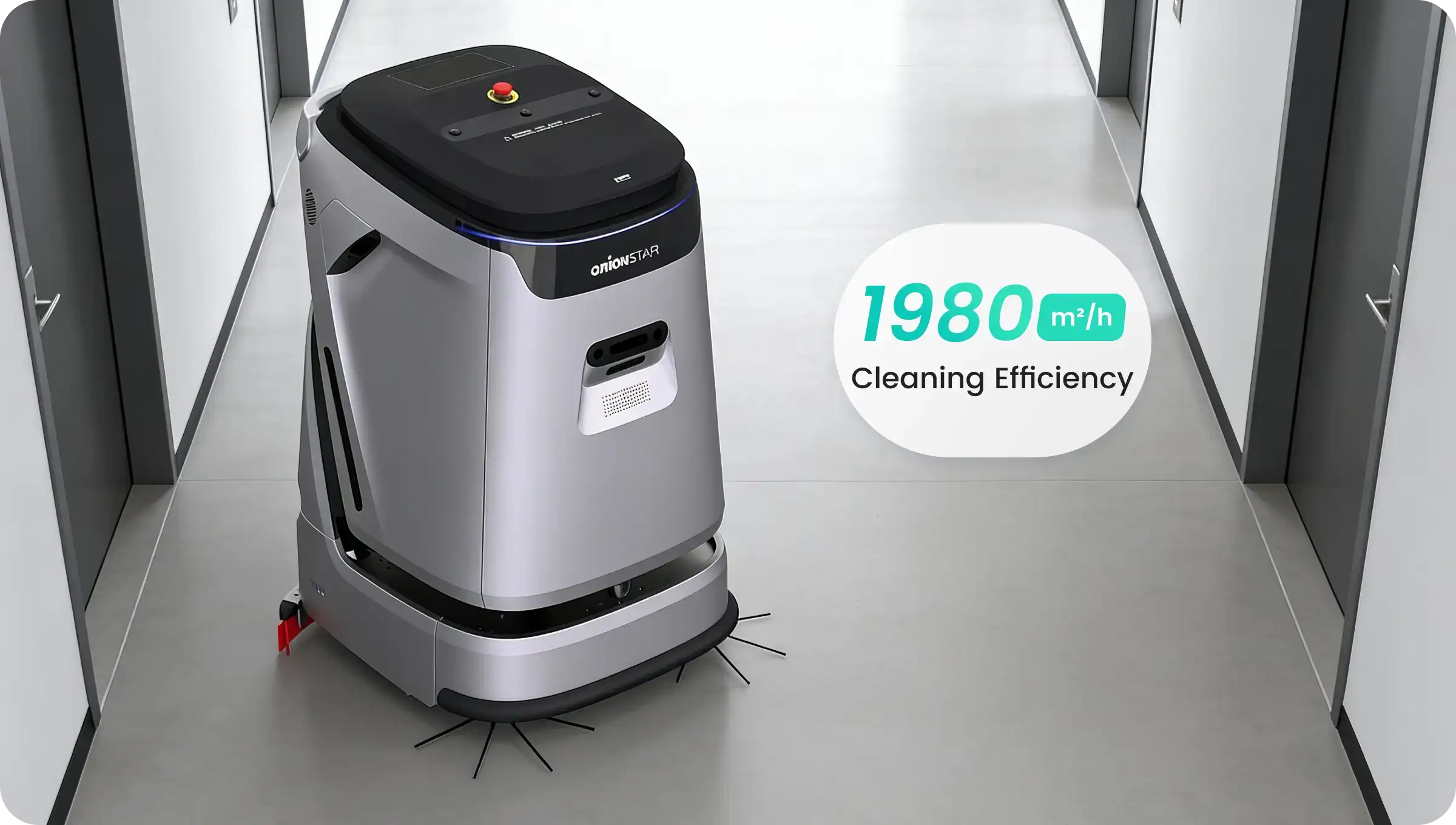
To illustrate how these autonomous capabilities are implemented in hardware, the OrionStar CleaniBot C5 utilizes a fully autonomous mapping system capable of covering spaces of up to 10,000 square meters according to manufacturer data. It navigates these mapped environments using cloud learning-style path optimization and smart obstacle avoidance to safely bypass pedestrians and venue barriers. For sustained operations during long catering shifts, the unit autonomously returns to its workstation for battery replenishment and fluid exchange, utilizing a 90-liter combined water tank system to deliver a maximum cleaning area capacity of up to 1,980 square meters per hour.
These expansive spaces face heavy foot traffic, food spills, and rapid turnover requirements between different social events. Cleaning robots can autonomously scrub and dry large stretches of hard flooring immediately after a dinner service, ensuring the room is spotless and safe for the next morning's corporate conference.
Lobbies and reception zones create the critical first impression for catering clients but are notoriously difficult to clean due to constant guest movement. Autonomous machines equipped with smart obstacle avoidance safely navigate around arriving attendees and luggage carts, quietly maintaining pristine floors without disrupting the welcoming atmosphere.
Dimly lit lounge areas often suffer from sticky beverage spills and dropped garnishes that require immediate attention to prevent slips and floor damage. Commercial cleaning robots effectively remove stubborn residues using targeted high-pressure scrubbing, while their compact designs allow them to navigate tight spaces between bar stools and cocktail tables.
Catered events frequently utilize outdoor patios that accumulate environmental debris, weather-related dirt, and dropped food waste. Automated scrubbers with strong debris-handling capabilities and sufficient climbing clearance can transition from indoor halls to outdoor thresholds, sweeping and scrubbing textured terrace surfaces to maintain uniform hygiene standards.
Commercial cleaning robots increasingly function as mobile data nodes that integrate directly with a hospitality venue's existing smart infrastructure through standardized IoT protocols and REST APIs. These autonomous units push real-time operational data—such as coverage maps, consumable status, and brush wear metrics—into Computerized Maintenance Management Systems (CMMS) like OxMaint via facility Wi-Fi, which automatically generates work orders or predictive maintenance schedules. Furthermore, integration with Building Management Systems (BMS) and occupancy sensors allows the robots to initiate adaptive cleaning schedules based on actual room usage, while simultaneously feeding mobile air quality and environmental data into the building's HVAC network for optimized ventilation.
By combining optimized resource efficiency with verifiable digital reporting, automated cleaning technologies actively empower social catering businesses to meet their ambitious sustainability and environmental governance targets.
Compliance Disclaimer: Return on Investment (ROI) data, cost reductions, and labor savings figures are based on specific industry case studies and may vary depending on facility size and deployment scope. Additionally, operators deploying cleaning robots equipped with environmental sensors or cameras must ensure strict adherence to local data privacy laws, including the GDPR, regarding the collection, processing, and retention of personal data.
The adoption of commercial cleaning robots is significantly optimizing how the Social Catering industry maintains and manages hospitality venues in the face of ongoing labor and economic pressures. By shifting from manual, reactive cleaning to automated, data-driven floor care, event professionals can ensure safer, more hygienic environments while stabilizing their operational costs. For operators evaluating autonomous solutions to address these varied environmental challenges, the OrionStar CleaniBot series offers multiple models designed to adapt to the specific spatial and operational requirements of modern hospitality spaces.