

REQUEST DEMO
Robot CATALOG will be sent to your mailbox immediately after submission.
SUBMIT
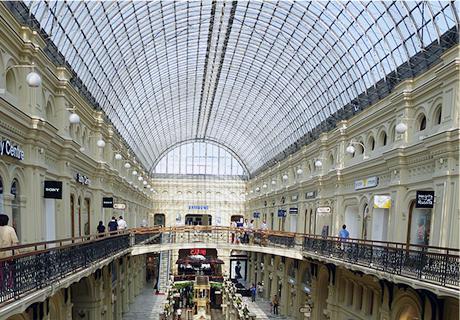
For Grocery Chains, maintaining hygiene in checkout zones presents a compounding challenge of persistent labor shortages, escalating costs from slip-and-fall liabilities, and strict compliance documentation requirements. As these high-traffic transition areas accumulate spills, dropped goods, and foot-borne debris at accelerated rates, relying solely on understaffed manual cleaning teams often leaves facilities vulnerable to safety risks and negative customer perceptions. To address these operational hurdles, commercial cleaning robots have emerged as a strategic solution, offering automated, data-driven floor care that ensures consistent cleanliness while freeing up essential staff for other critical store operations.
The OrionStar CleaniBot C5 illustrates how these autonomous capabilities are implemented in industrial-grade equipment designed for heavy-traffic areas. By utilizing an advanced mapping system, the robot can autonomously plan highly efficient cleaning paths for areas of up to 10,000 square meters, according to manufacturer data. It features a combined 90-liter water tank system and a dual-rolling-brush mechanism that applies roughly 25 kilograms of downward scrubbing pressure to remove stubborn stains in a single pass. Furthermore, its automated docking station supports self-cleaning and auto-charging, allowing the machine to maintain a maximum cleaning area capacity of up to 1,980 square meters per hour while operating at a noise level of less than 68 dB(A) to minimize shopper disturbance.
These high-traffic zones suffer from continuous foot traffic, dropped produce, and frequent beverage spills that create immediate slip hazards. Rather than navigating the narrow internal lanes, commercial cleaning robots efficiently clean the perimeters of checkout counters, queue zones, and surrounding floor areas using precise obstacle avoidance, automatically scrubbing and drying the floors without disrupting queued shoppers.
The unpredictable foot traffic of customers, carts, and reusable bags in self-checkout zones makes traditional manual mopping difficult and dangerous during peak hours. Autonomous scrubbers utilize real-time path planning to weave safely around moving targets, ensuring the floor remains clean and dry despite high utilization rates.
Serving as the main artery connecting checkout zones to the exit, these corridors accumulate significant foot-borne soil and debris. Heavy-duty commercial cleaning robots deploy consistent downward scrubbing pressure to lift stubborn grime, maintaining a consistently clean appearance that reinforces a positive final impression for exiting customers.
Vestibules trap outdoor dirt, rain, and snow before they reach the main floor, requiring constant attention to prevent mud from being tracked into checkout zones. Automated floor scrubbers equipped with large capacity water tanks can be programmed for high-frequency cleaning loops in these transition areas, efficiently capturing moisture and debris before it spreads.
To maximize operational efficiency, commercial cleaning robots function as mobile IoT nodes that seamlessly integrate with existing smart building ecosystems in checkout zones. Through REST API endpoints, these robots export vital operational data—such as coverage maps, battery consumption, and consumable wear—directly into Computerized Maintenance Management Systems (CMMS) via facility Wi-Fi, which automatically generates work orders before issues escalate. Additionally, integration with Building Management Systems (BMS) allows the robots to receive real-time occupancy data and spill detection alerts, enabling them to dynamically adjust their routes and respond immediately to incidents based on actual foot traffic patterns.
By combining chemical reduction with verifiable safety improvements, automated floor care systems provide Grocery Chains with actionable metrics to advance their corporate sustainability portfolios.
Commercial cleaning robots are significantly advancing how Grocery Chains maintain checkout zones, shifting floor care from a reactive, labor-intensive chore to a proactive, data-verifiable operation. By addressing the compounding pressures of staffing shortages, liability risks, and stringent hygiene standards, these autonomous systems ensure a consistently safe and clean environment for shoppers. For organizations looking to implement these automated workflows, the OrionStar CleaniBot series provides multiple configurations to accommodate varying facility sizes and specialized environmental demands.