REQUEST DEMO
Resources > Blogs > Commercial Cleaning Robots: Types, Applications, and Leading Use Cases

Commercial Cleaning Robots: Types, Applications, and Leading Use Cases

2025-12-18 18:17 OrionStar

ow001_20251201_3c941638d2f45721246f6af80b402ecf.jpg


Commercial cleaning robots are autonomous floor cleaning machines designed for large indoor facilities. These robots typically combine scrubbing, sweeping, vacuuming, and mopping functions to deliver consistent cleaning quality with reduced reliance on manual labor.

They are widely adopted in environments such as warehouses, airports, shopping malls, hospitals, and office buildings, where daily floor cleaning must be efficient, safe, and repeatable.

What Are Commercial Cleaning Robots?

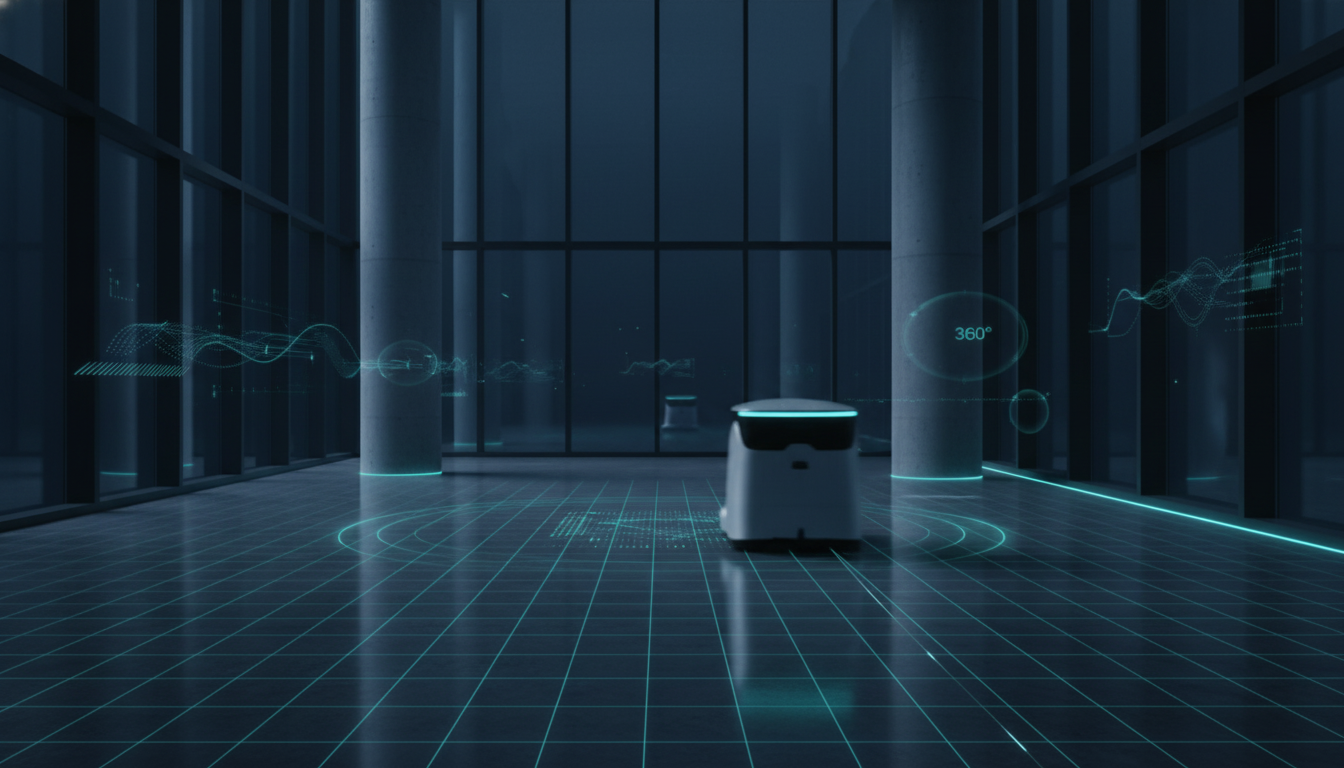
Commercial cleaning robots—also known as robotic floor scrubbers or autonomous floor cleaning machines—are designed to operate independently using sensors such as LiDAR and vision systems. They navigate complex environments, avoid obstacles, and follow predefined cleaning routes.

Main Types of Commercial Cleaning Robots

  • Autonomous Floor Scrubber Robots – designed for wet scrubbing and drying in large areas

  • Robotic Sweepers – suitable for dust and debris removal in warehouses and factories

  • Vacuum Cleaning Robots – commonly used in hotels, offices, and carpeted areas

Each type addresses different floor conditions and operational requirements.

Typical Applications by Facility Type

  • Warehouses & logistics centers – large open areas with predictable layouts

  • Airports & transportation hubs – dynamic environments with high foot traffic

  • Hospitals & healthcare facilities – hygiene-critical spaces requiring quiet operation

  • Shopping malls & retail stores – long operating hours and frequent cleaning cycles

Why Enterprises Are Adopting Autonomous Floor Cleaning Robots

  • Reduced cleaning labor costs

  • 24/7 autonomous operation

  • Consistent and measurable cleaning quality

  • Improved safety in shared human–robot environments


For enterprises evaluating commercial cleaning robots, understanding robot types, facility requirements, and operational goals is the first step toward selecting the right solution.